
Floors in the Sky: Urban Restoration through the Roofs, Rooftops and Slabs of São Paulo
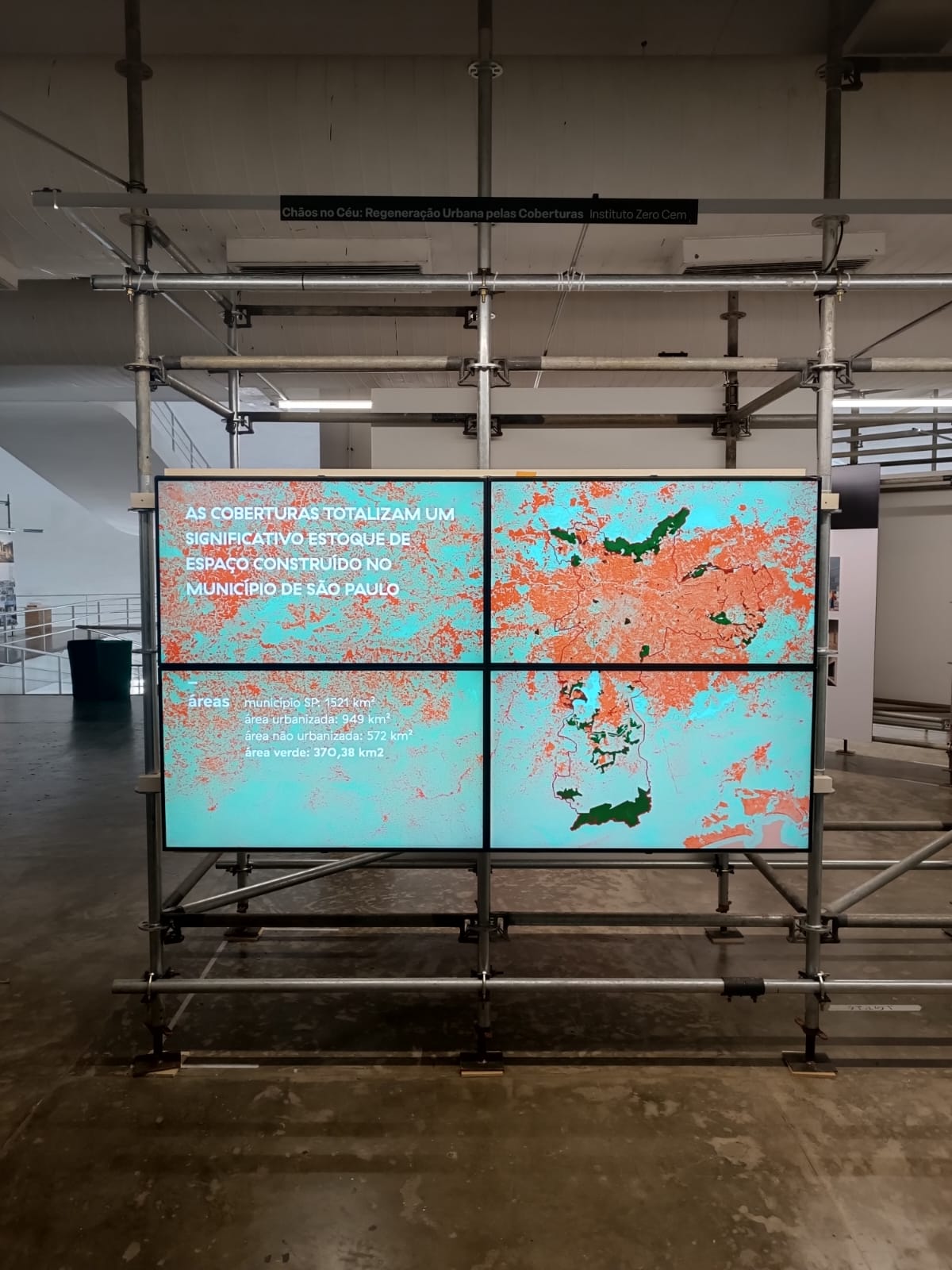
The project “Floors in the Sky: Urban Regeneration through the Roofs, Rooftops and Slabs of São Paulo” invites the public to look up and rediscover the socio-environmental potential of urban rooftops, spaces that are often underutilized, fragmented, and privately owned. The initiative is part of the 14th International Architecture Biennial of São Paulo, which this year has as its theme “EXTREMES: Architectures for a Hot World”, proposing reflections on the challenges and possibilities of architecture in a climate crisis scenario.
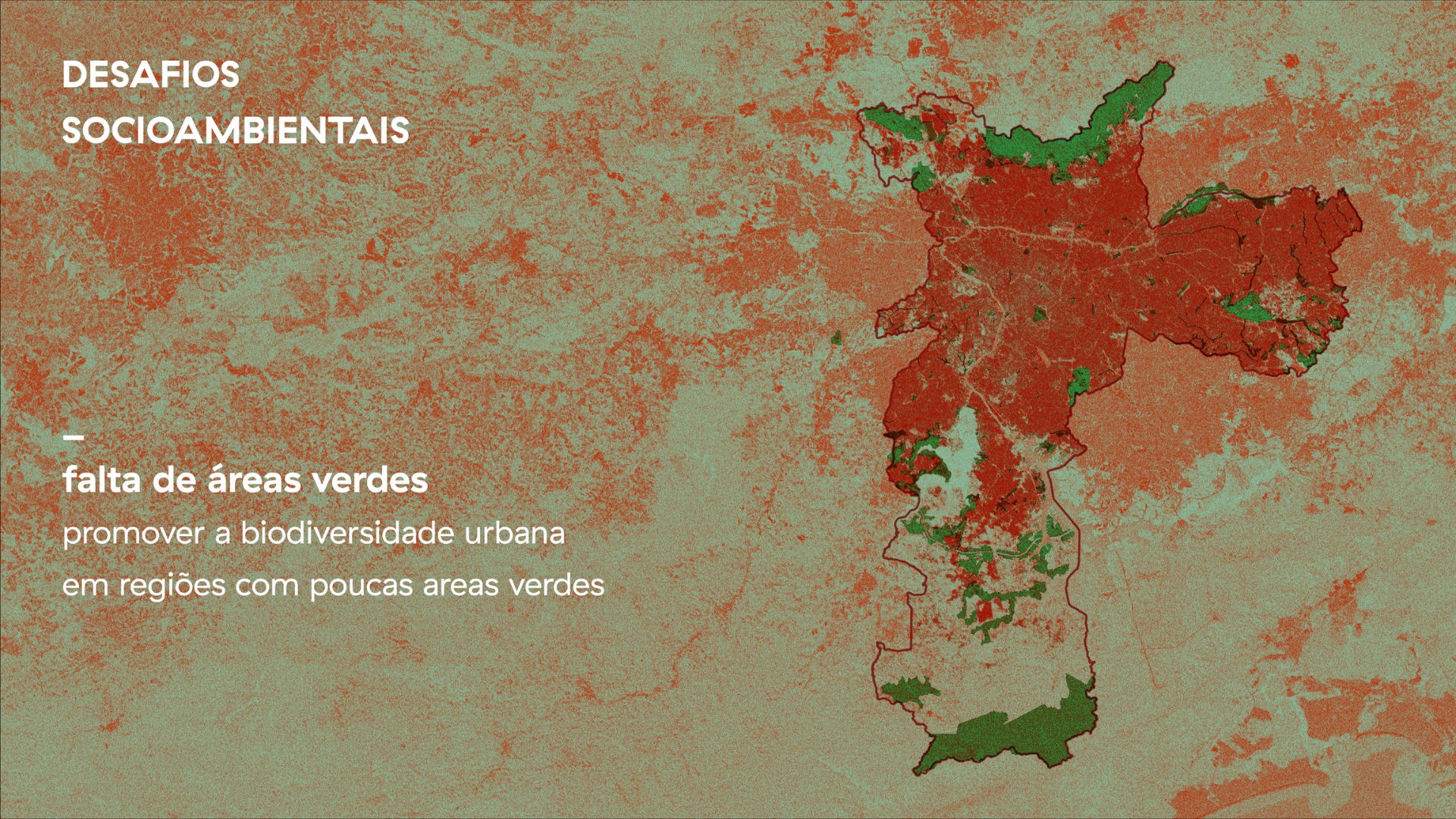
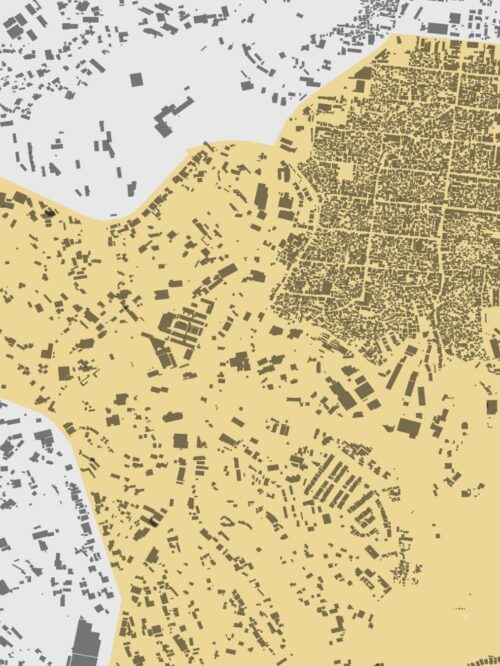
Cities concentrate population, infrastructure, and consumption, becoming the center of climate impacts. In central neighborhoods, such as Pinheiros and Bela Vista, heat islands increase dependence on energy for cooling. In peripheral areas, such as Brasilândia or Paraisópolis, heavy rainfall and precarious construction highlight urban inequality and people's vulnerability.
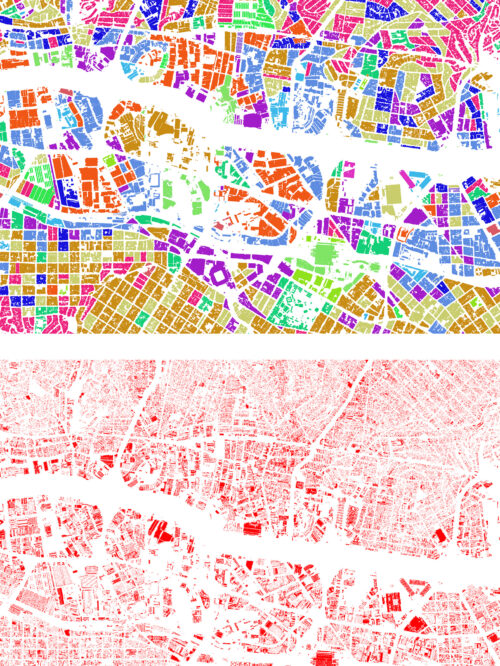
Designed as a network, roofs can function as green-blue infrastructure, promoting urban resilience, heat reduction, rainwater harvesting, and increased biodiversity.
Solutions explored by the project:
- Intensive green roofs: shrubs and small trees; heat island reduction, water capture and biodiversity.
- Extensive green roofs: grasses and succulents; heat reduction with low structural load.
- Green-blue roofs: vegetation combined with water reservoirs; water savings and biodiversity.
- Rooftop gardens: food security, green jobs and biodiversity.
The concept of the socio-environmental function of rooftops demonstrates that these spaces have collective value: they are not just part of the property, but also contribute to the urban ecosystem. It guides public policies and regulatory actions, such as allocating rooftops to sustainable uses, creating municipal funds, and integrating these spaces into the city's green-blue infrastructure.
More than just concrete surfaces, rooftops can be protagonists in urban transformation, connecting architecture, nature, and climate justice. From the sky to the ground, it's possible to populate the city with more vibrant, green, and vibrant spaces.
Conception:
ZeroCem /
Fernando Mello Franco
Giselle Mendonça
Alexandre Fontenelle
Fernando Tulio
Collaboration with research:
Alexandre Fontenelle-Weber
Barbara Fruitful
Fernando de Mello Franco
Giselle Mendonca Abreu
John Guimarães
Rafael Chasles
Riciane Pombo
Communications Team
Jade Borges
Animation and Graphic Design:
Fabio Riff
Juliana Bucaretchi
DURATION
2025
 English
  Portuguese