

Encouraging Electric Vehicles Goes Against the Fair Green Transition in Brazilian Cities
The study proposes to examine the strategies for encouraging electric vehicles in Brazilian cities, investigating, from a critical perspective, their relationship with efforts to address the climate crisis and existing socio-territorial inequalities in the urban context. From the perspective of socio-territorial justice and commitments to sustainability, we propose a reflection on the growing option for encouraging electric cars as part of energy transition initiatives in the urban mobility sector, selecting six case studies: Belém, Brasília, Porto Alegre, Recife, Rio de Janeiro and São Paulo. First, the study provides a brief account of how the topic of electric vehicles has come to appear in the main international guidelines on climate action and details the regulatory framework for climate policies in Brazil and in the cities examined, revealing how the dimension of encouraging electric cars is gaining ground, in contrast to other mobility solutions such as the expansion, qualification and electrification of public and collective transport systems, in addition to active mobility. Below, we present information that contextualizes the growth of electric vehicles within a general expansion of the vehicle fleet in Brazil and raise questions about the socio-environmental impact of their production chain and the negative impacts related to the use of public space and road safety, resulting from a highway-based model. In order to bring this discussion closer to the territorial level, we then present a map of the location of electric vehicle charging stations in the six capitals, cross-referencing them with social markers of inequality. The results reveal a territorial concentration of electric vehicle charging stations in privileged areas of these cities, reinforcing historical patterns of socio-spatial segregation. In other words, the stations are mostly present in high-income regions, predominantly occupied by white people, and well-infrastructured. Based on these findings, we hope to contribute to a broader reflection on strategies to promote an energy transition in urban mobility that moves towards fairer standards.
Team:
Alexandre Fontenelle-Weber
Fernando Tulio Saves Rocha Franco
Taina Pacheco
Luiza Nassif Pires
Pedro Marques
Duration:
2025
Partnership:
Center for Research in Macroeconomics of Inequalities (Made/USP)
Learn More:
Economic Policy Notes – Publications
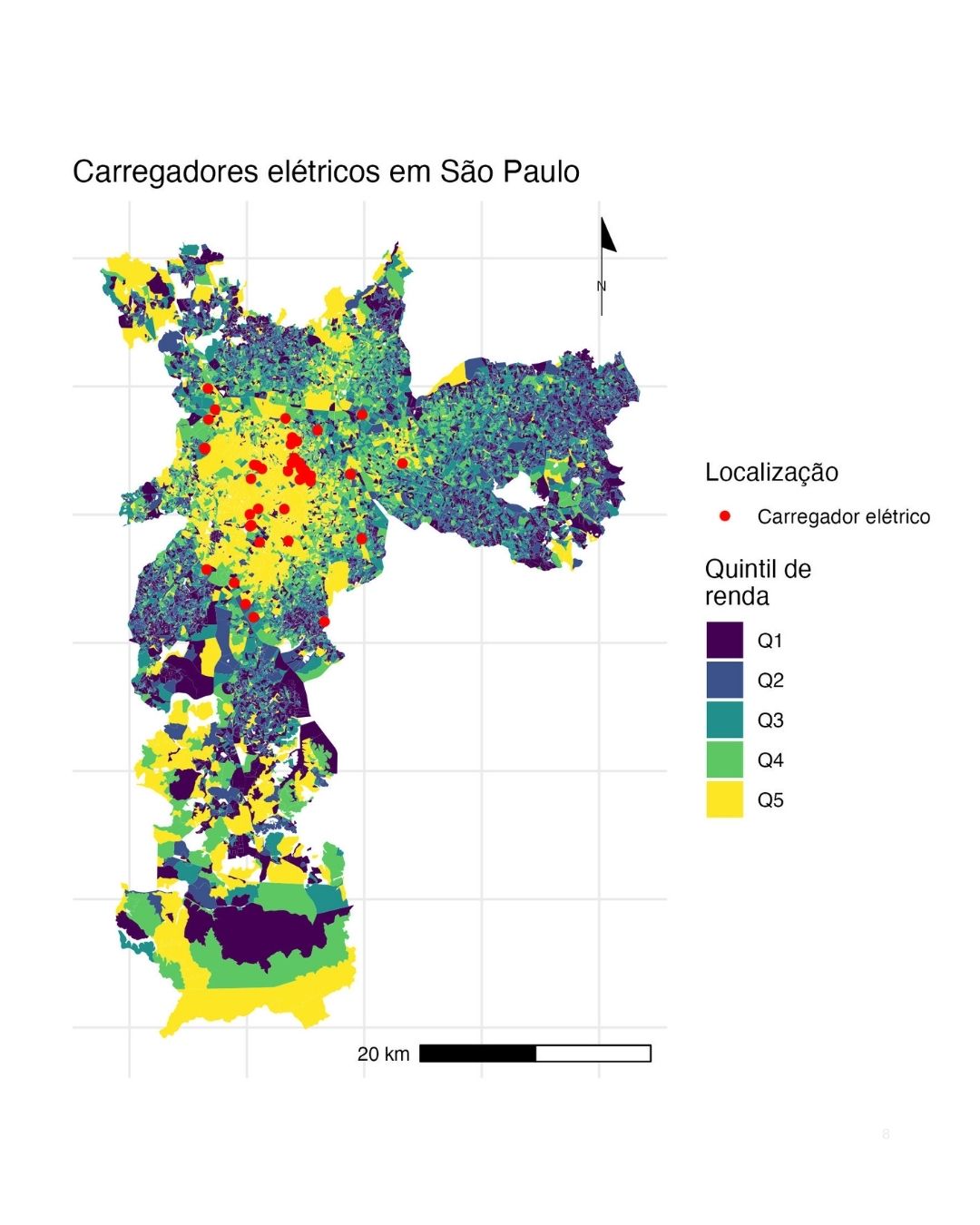
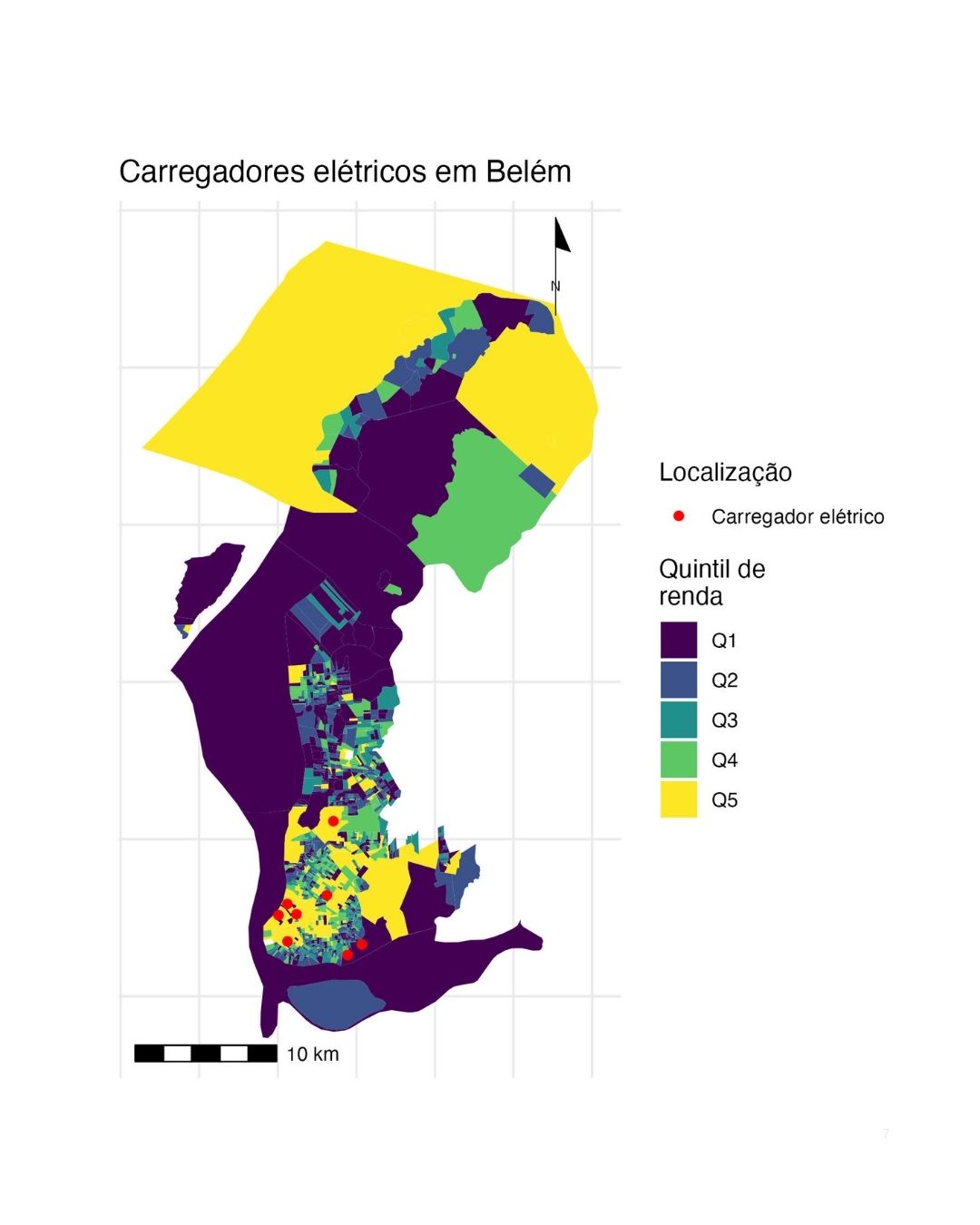
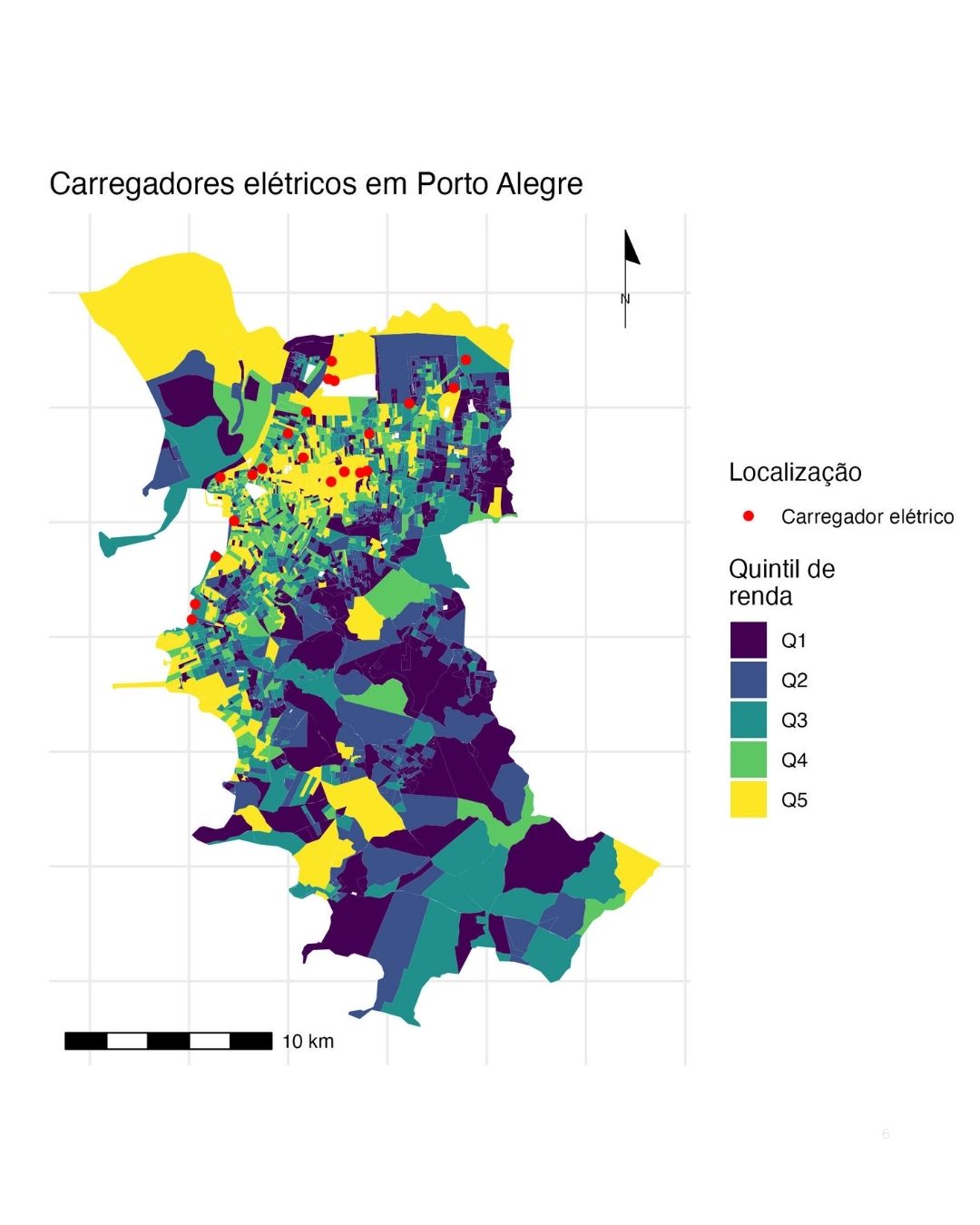
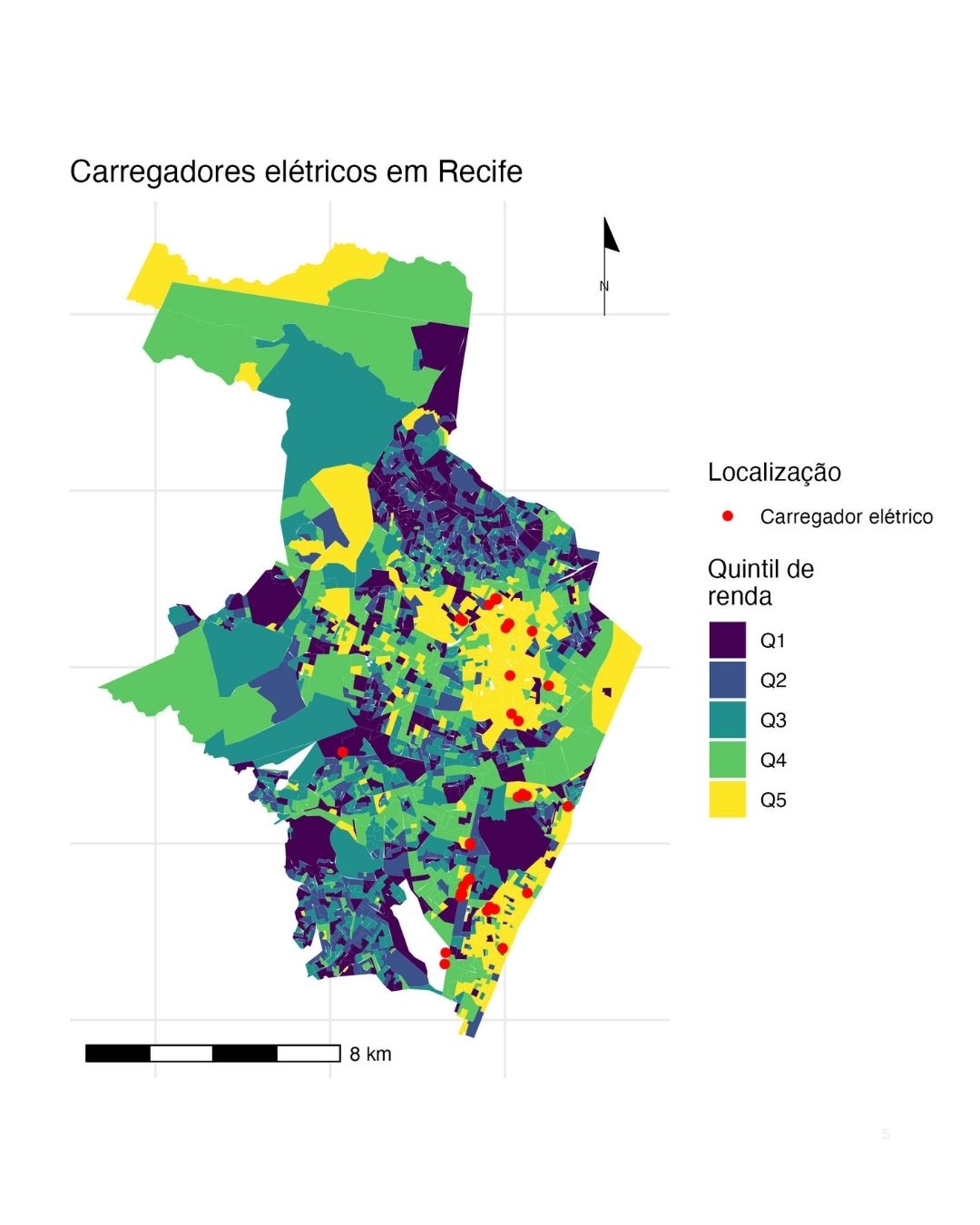
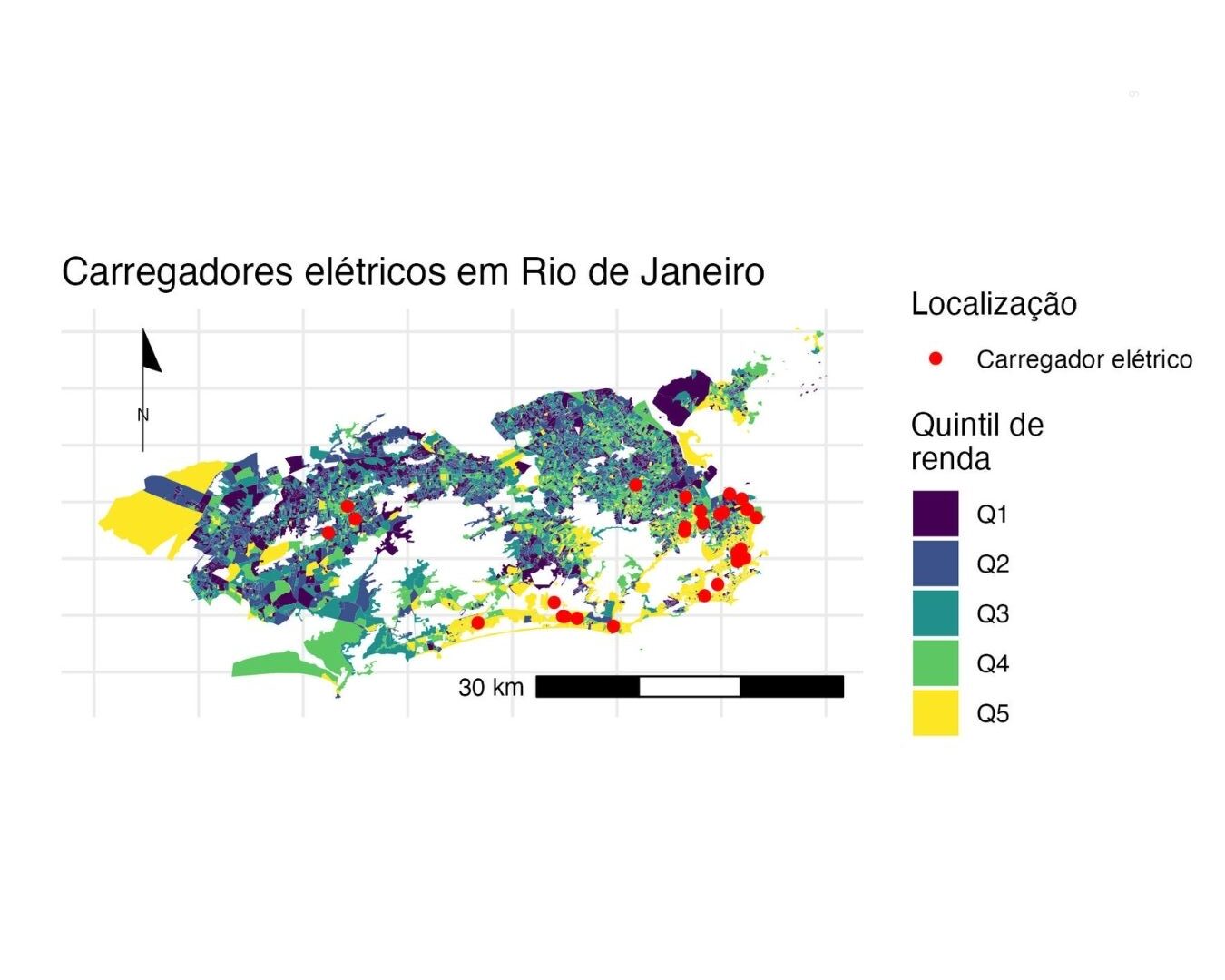
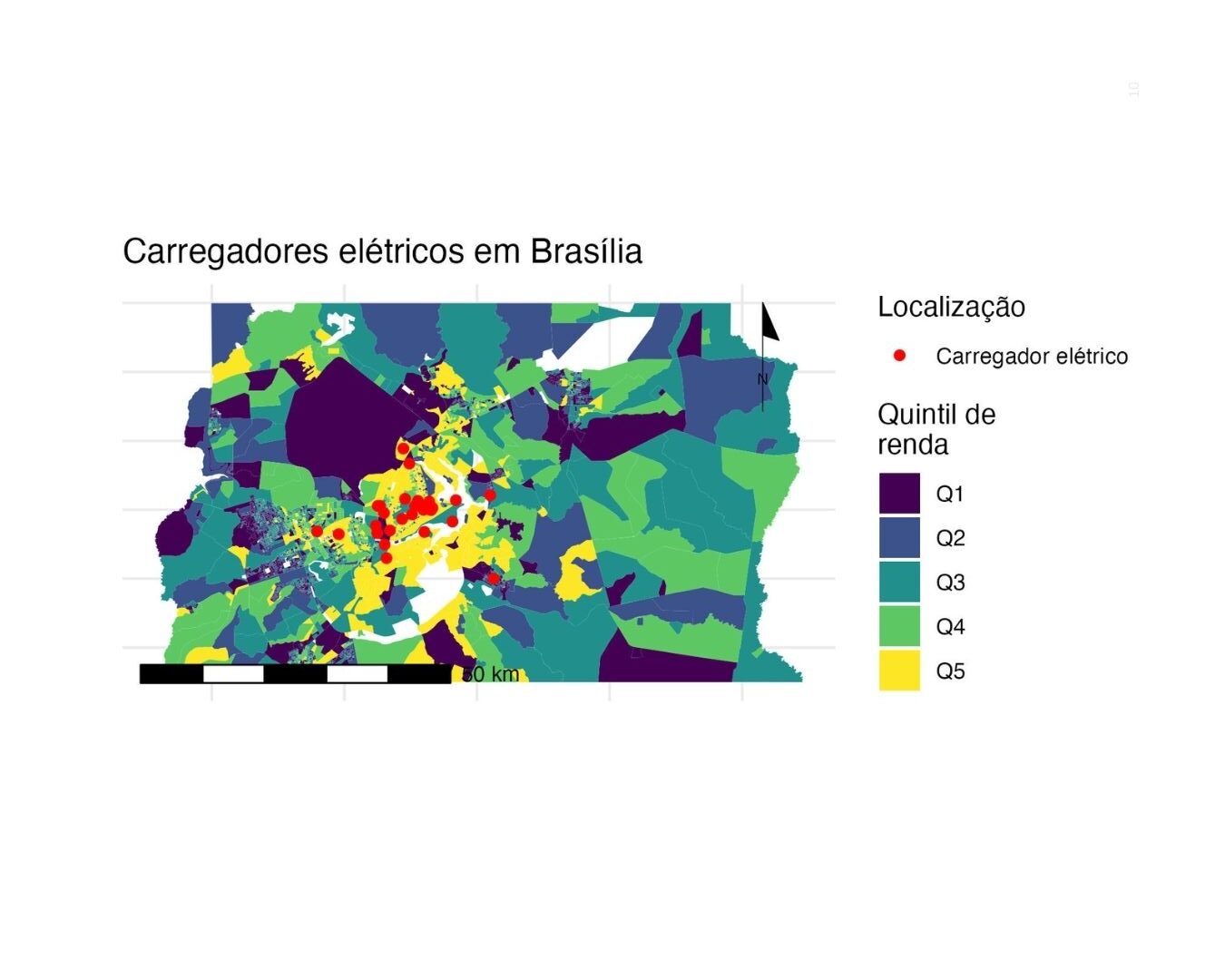
Source: Prepared by the authors based on data from Open Street Maps and Google Maps extracted in January 2025 and the 2010 Census (IBGE).


 English
  Portuguese