

Urban Agriculture and the Role of the Federal Government
This research project aimed to examine and imagine possible ways for the federal government to contribute to policies promoting urban and peri-urban agriculture (UPA) practices in Brazil, considering its potential for impact and transformation.
UPA experiences are already a reality in many cities, filling the urban fabric in various formats—community gardens, school gardens, productive backyards, agroforestry, among many others. In this sense, agricultural initiatives in urban areas fulfill important roles for the community: promoting food and nutritional security, encouraging sustainable land use management, protecting the environment and biodiversity, and encouraging community life and the appreciation of traditional knowledge and cultures.
However, expanding and qualifying AUP practices depends on incentive policies and greater cooperation between actors, including the participation of the federal government, which has technical and financial resources to support municipalities.
Articulating these premises, the ZeroCem research project—carried out in partnership with Instituto Escolhas—sought to systematize strategies to be developed at the federal level to strengthen a national policy to promote urban and peri-urban agriculture. The suggestions formulated in the work were developed based on interactions with municipal managers and local stakeholders in three cities (Curitiba, Recife, and Rio de Janeiro), and through dialogue with members of the federal government.
Team:
Alexandre Fontenelle-Weber
Fernando Mello Franco
Giselle Mendonca Abreu
Marcela Alonso Ferreira
Duration:
2023
Support:
Choices Institute
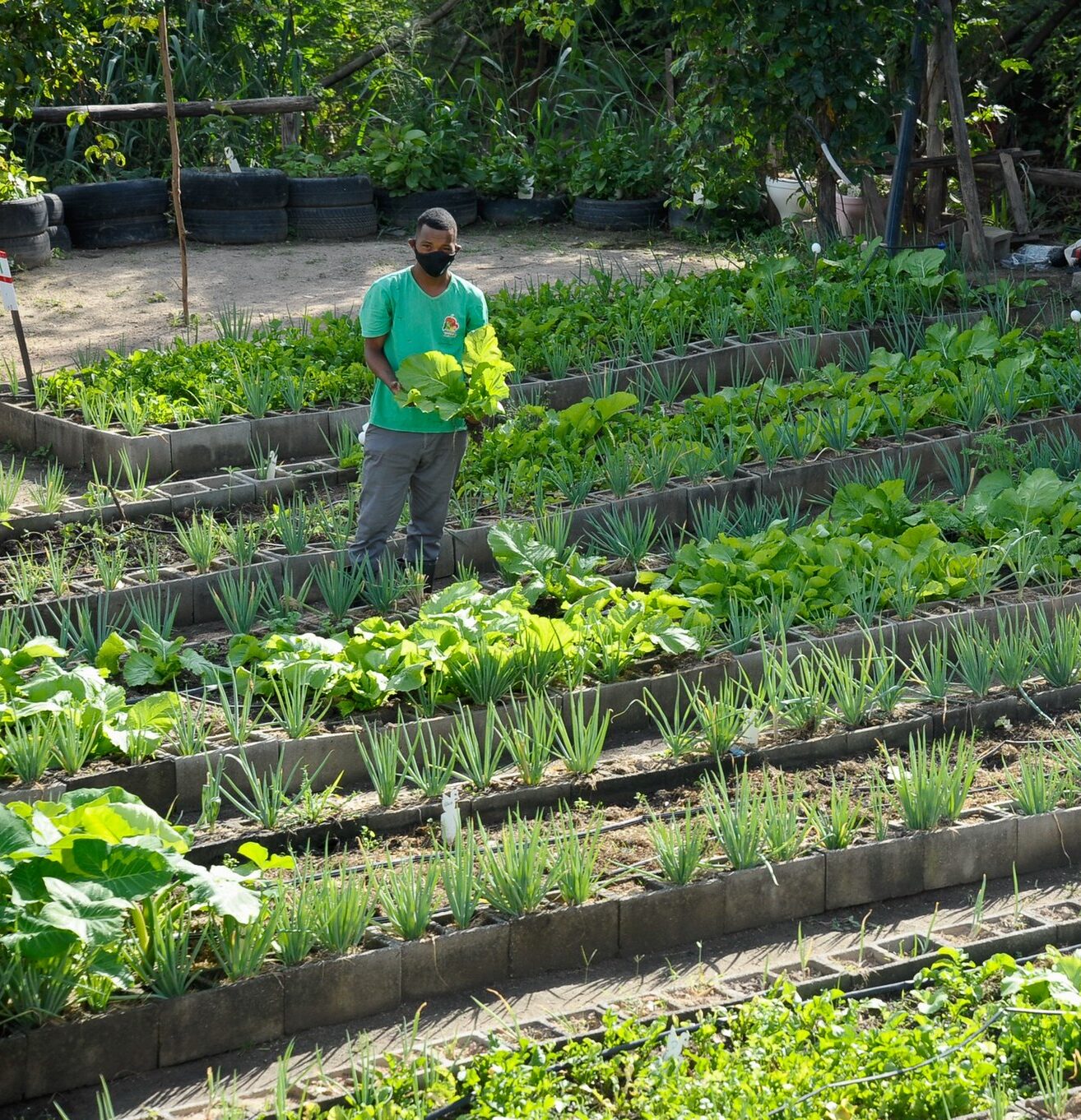
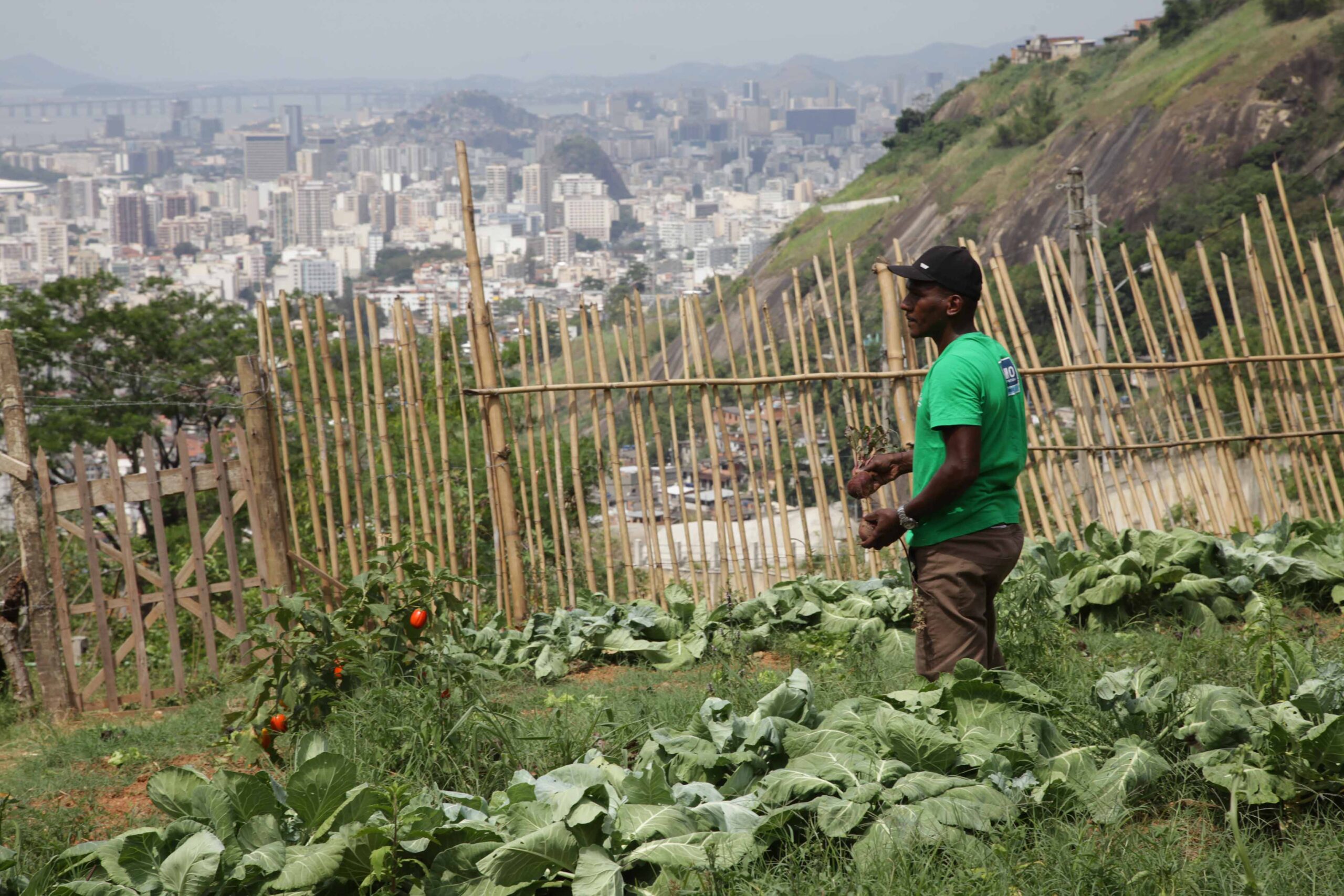
Photo 01: Marco Antonio Rezende / PMRJ, 2020 Photo 02: Ricardo Cassiano / PMRJ, 2016


 English
  Portuguese