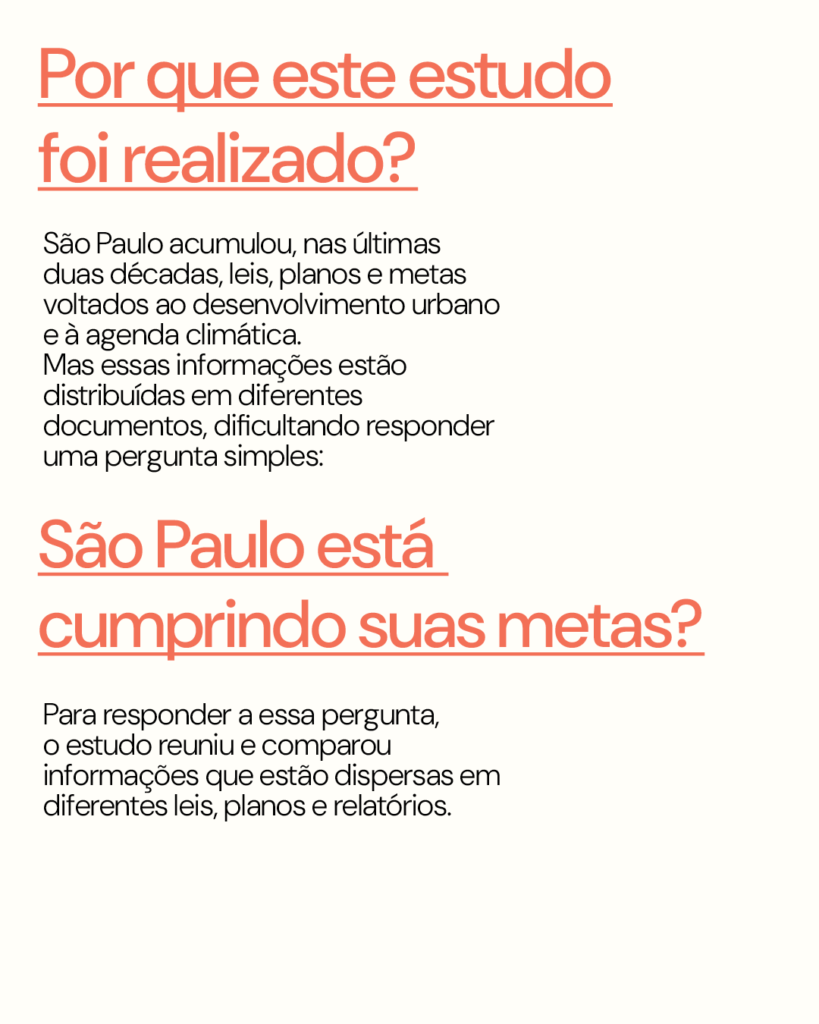
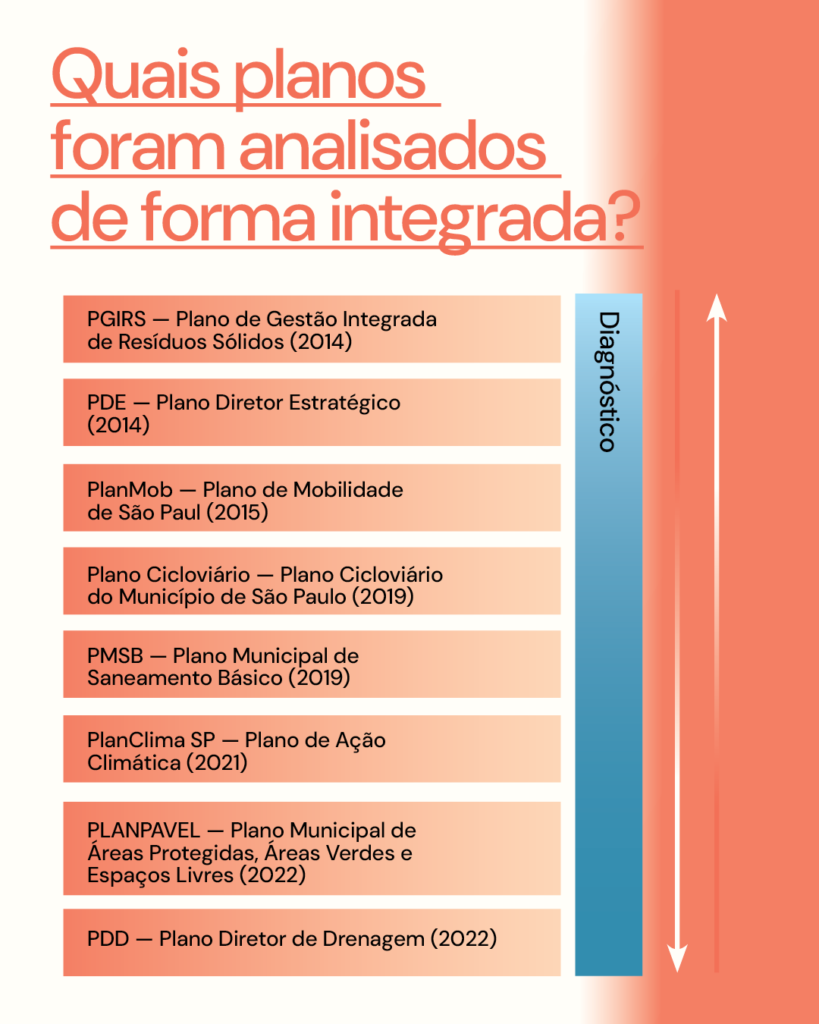
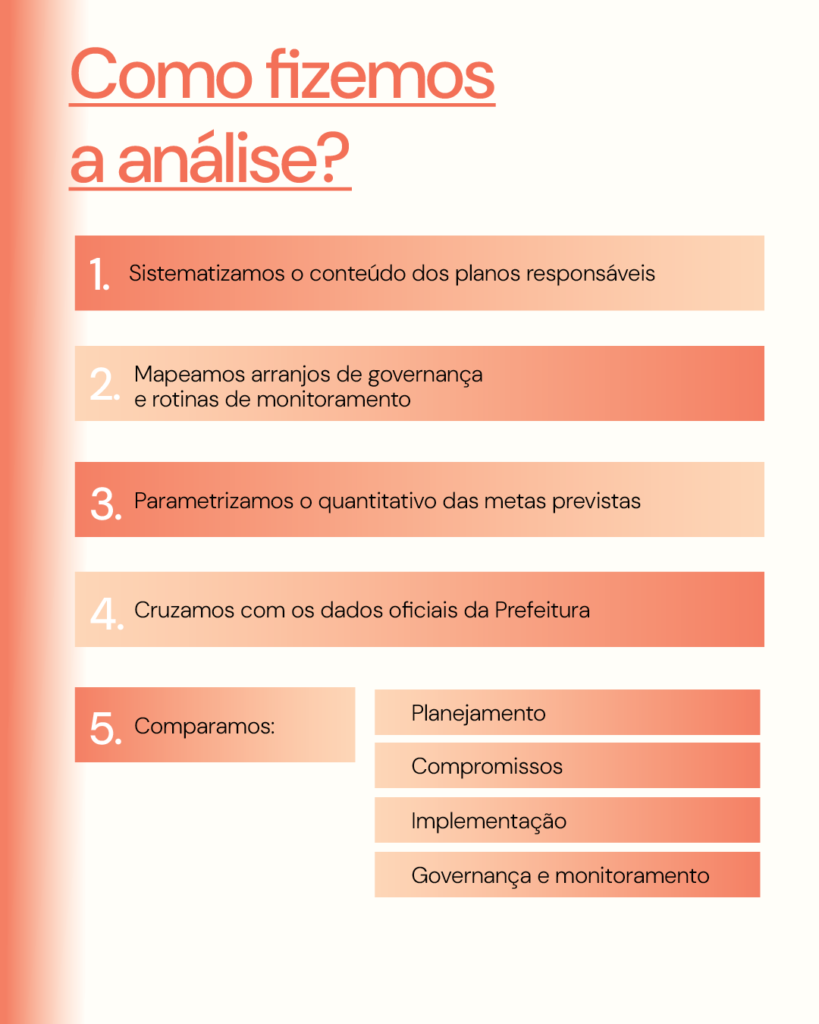
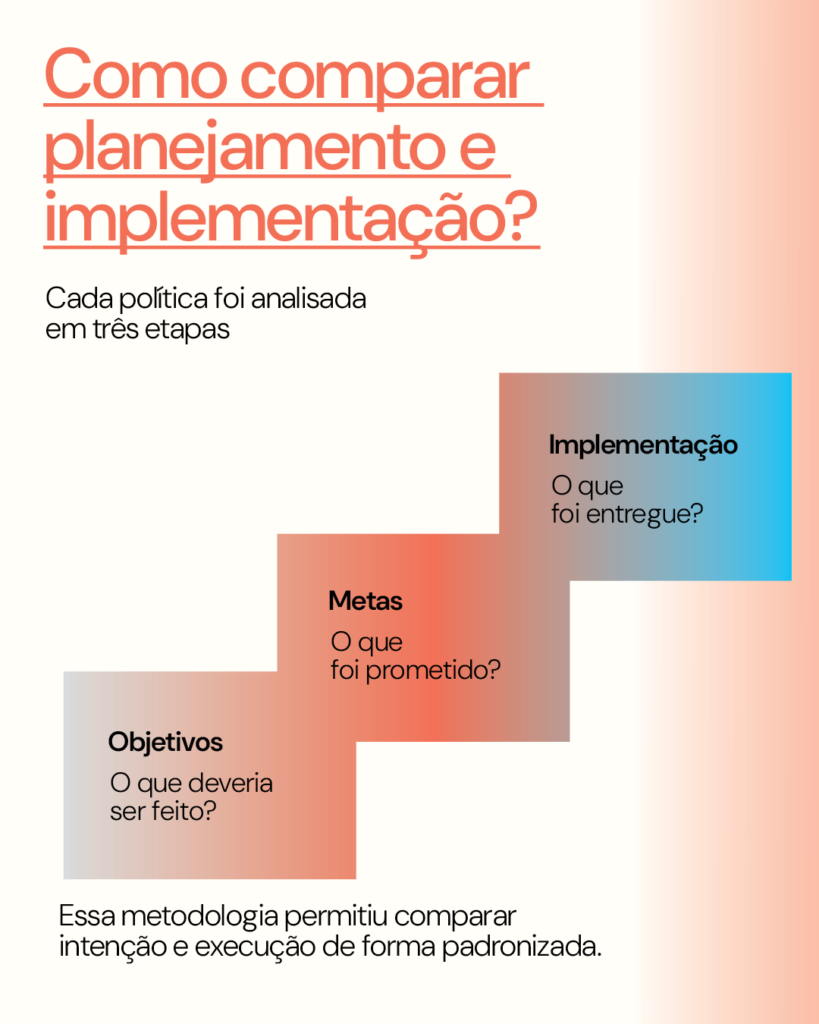
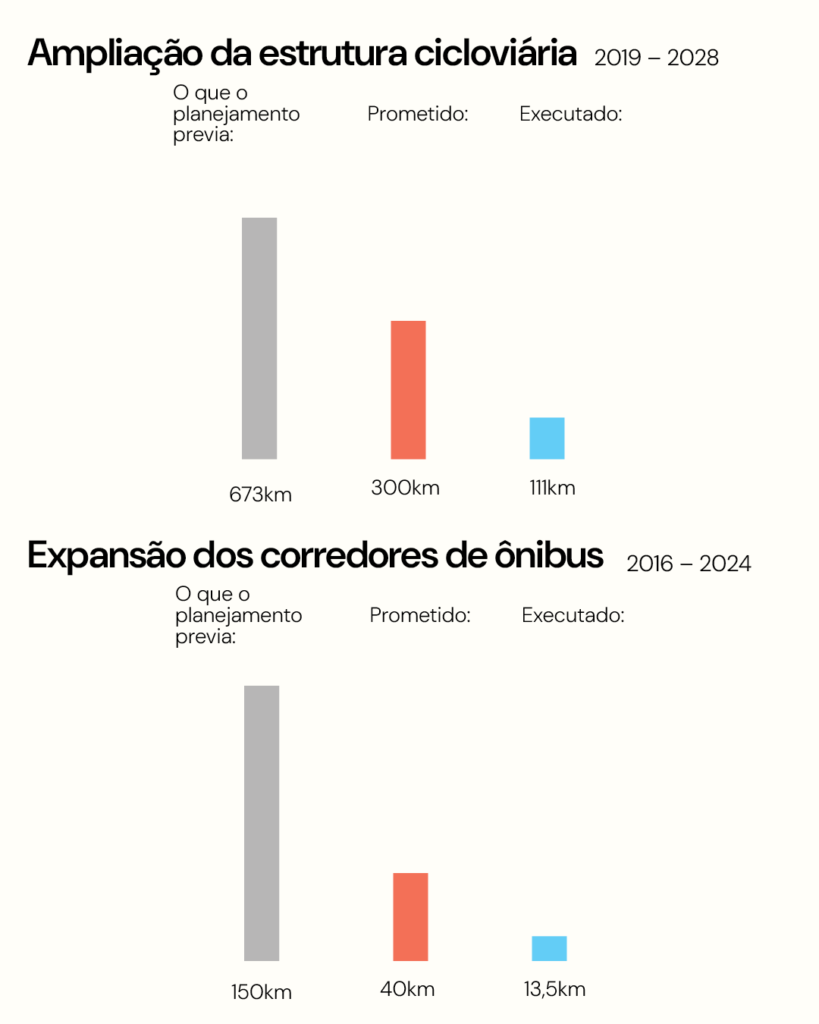
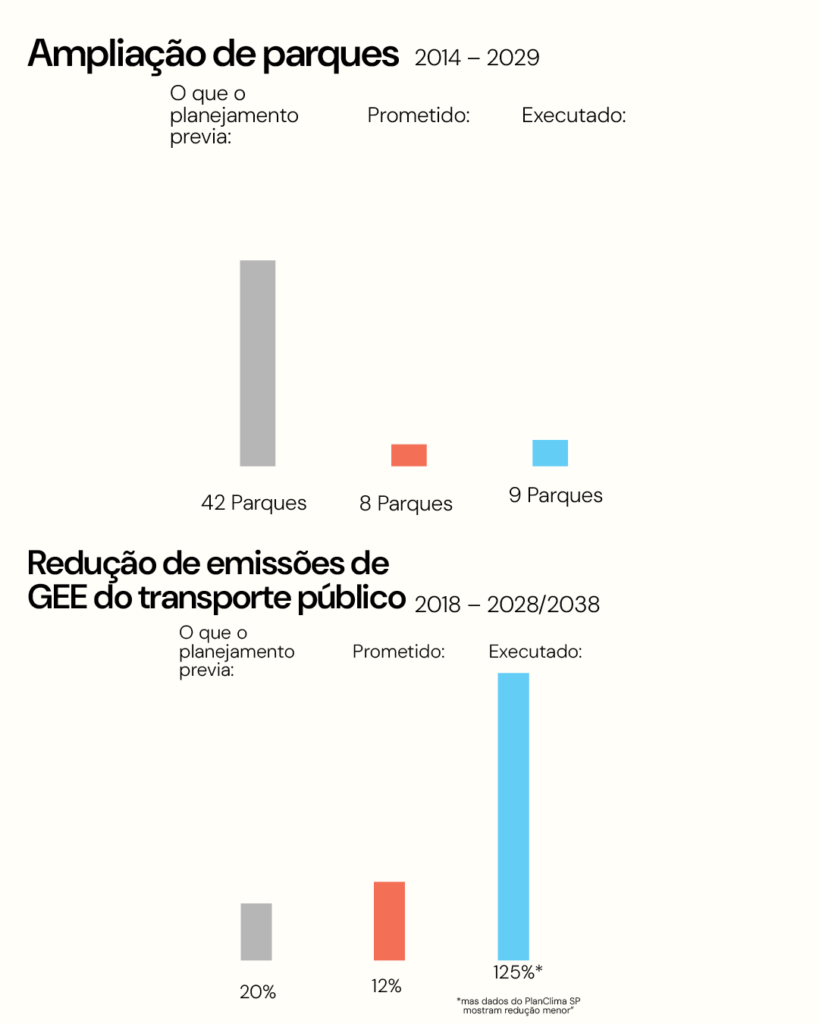
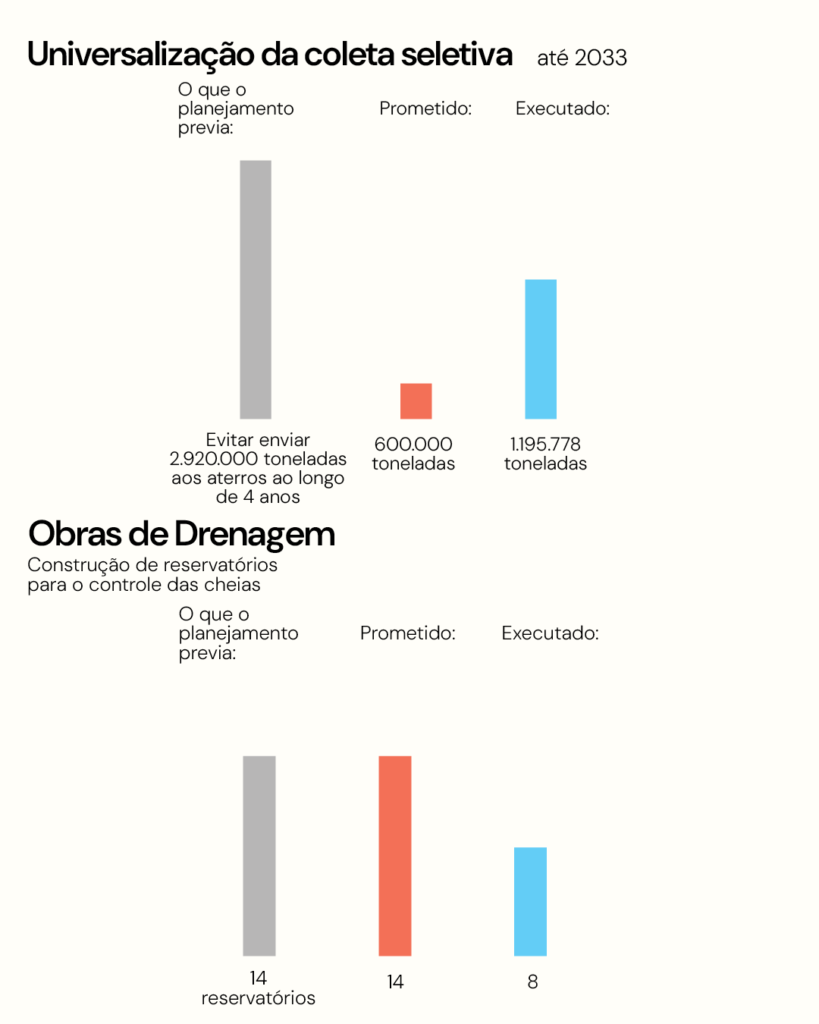
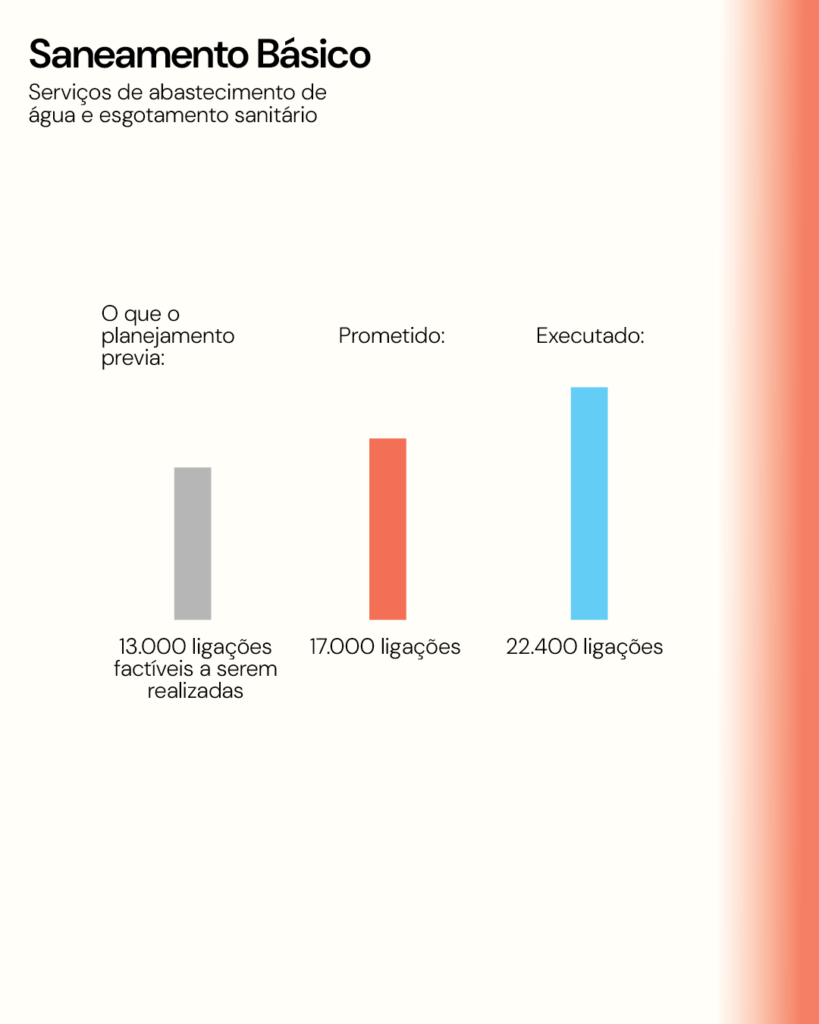
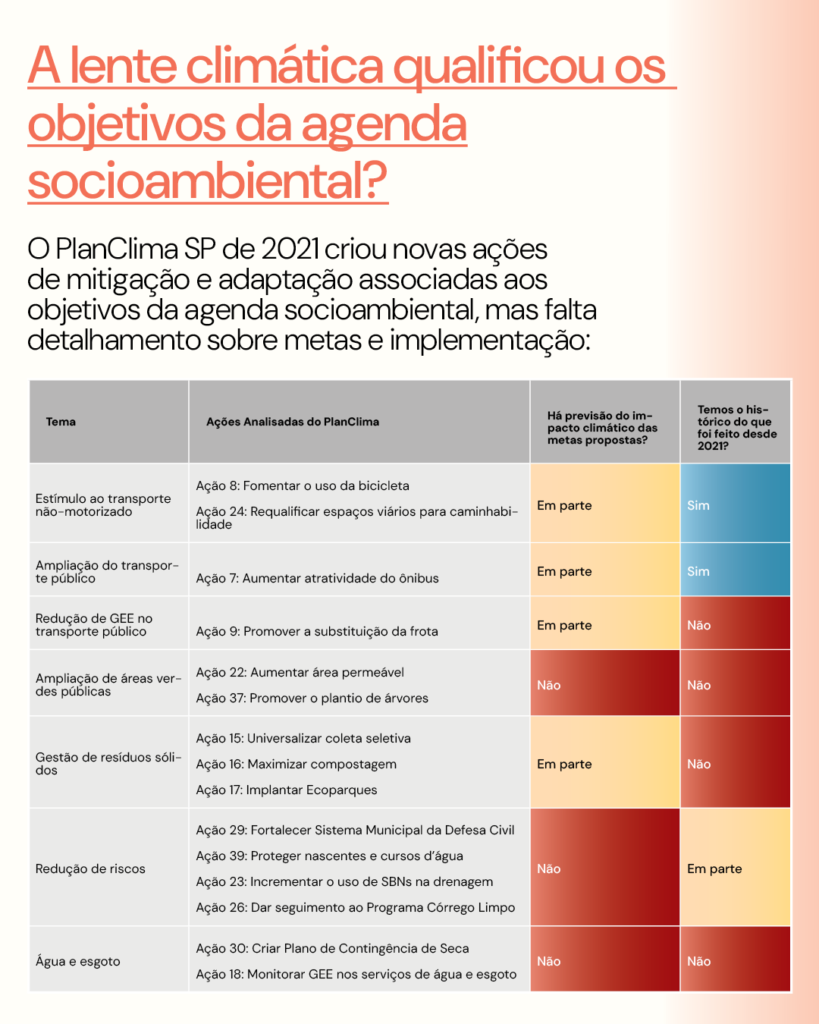
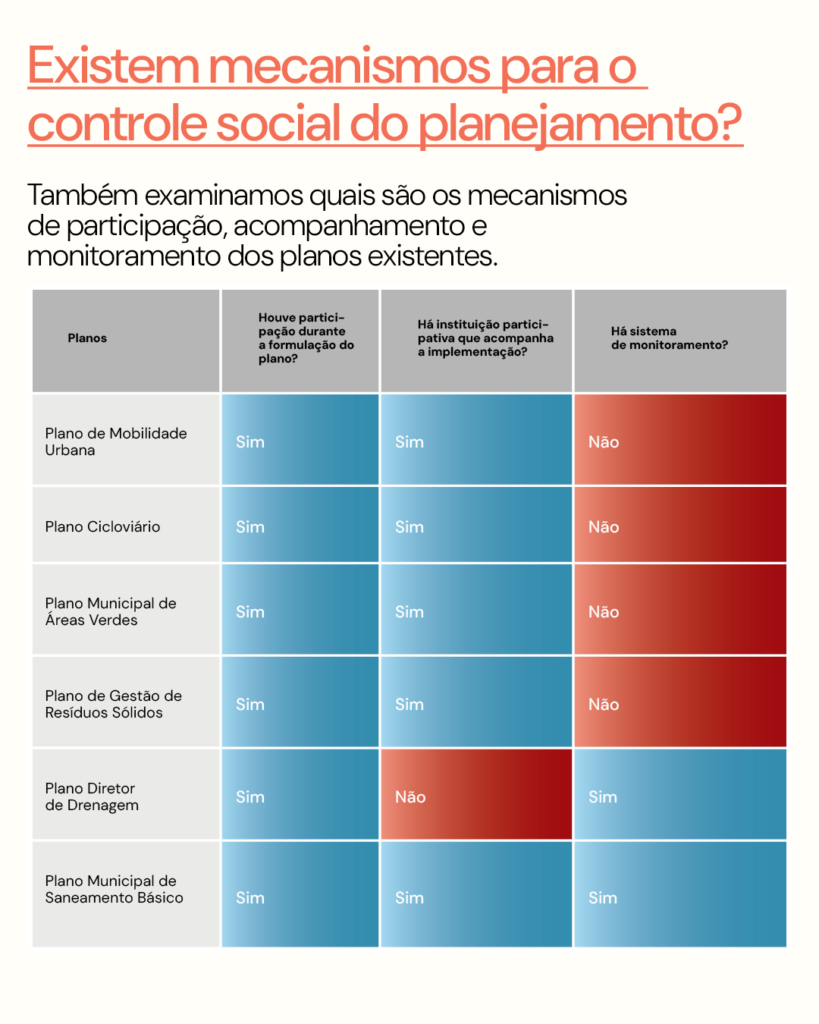
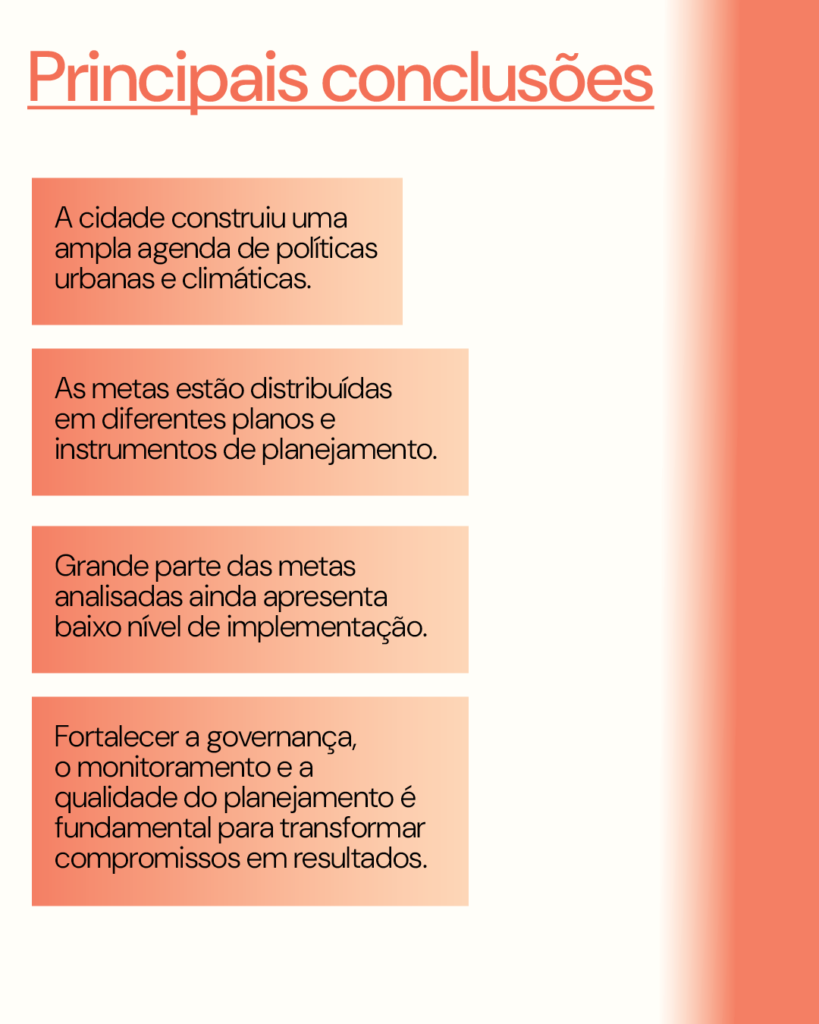
Over the past 20 years, São Paulo has advanced in structuring a socio-environmental agenda that sought to establish objectives to be achieved for a greener, more sustainable, and fairer city. Even with its limitations, this effort revealed a growing understanding of the intersection between environmental protection and urban management goals, demonstrating the existing connection between the dynamics of the city and nature. Within this trajectory, in the legislative field, the adoption of the Municipal Climate Change Policy in 2009 (PMMC – Municipal Law No. 14,933/2009) and the Strategic Master Plan of 2014 (PDE – Municipal Law No. 16,050/2014) stand out as essential references. The PMMC established the basic regulations for combating the climate crisis, indicating links with different sectors of urban policy. In turn, the PDE established a vision until 2029 that integrated urban planning objectives with sustainability concerns through an extensive set of guidelines and commitments. In parallel, this intersectoral environmental-urban agenda began to be detailed in a complementary set of planning instruments. Firstly, there are the sectoral plans that established deliverables and targets for different urban management themes: public transport, active mobility, waste management, promotion of green areas, basic sanitation, among many others. Secondly, there are the Goals Programs, which establish commitments to be achieved within the 4 years of each municipal executive branch administration. Finally, there is the 2021 PlanClima SP, which expanded upon the framework of the PMMC and made explicit the mitigation and adaptation actions to be pursued by the municipality. However, this trajectory of progress and formulation of instruments still encounters obstacles and difficulties regarding the integration of objectives, advocacy strategies, citizen participation, and access to public and systematized information on the results achieved. In particular, data on structuring and implementation are dispersed and fragmented among the different initiatives, which prevents a comprehensive view. Therefore, this study, developed by the ZeroCem Institute with the support of the Parliamentary Front for the Right to a Sustainable City, proposes to carry out a diagnosis of the main socio-environmental strategies established in São Paulo, to assess their current stage and indicate what still needs to be done to achieve the intended goals. To this end, the survey aimed to examine aspects of the formulation, implementation, evaluation, and monitoring of the main objectives of the sustainability agenda in São Paulo from three main perspectives: 5 • (i) the perspective of integration and coherence between the commitments assumed in the different planning instruments, and the reflection on the results of their implementation; • (ii) the contribution of climate action to the qualification of the socio-environmental agenda, through the strategies foreseen by PlanClima SP; • and (iii) the governance lens and the possibilities of participation and social control connected to the dynamics of planning and implementation. In conducting this work, we carried out an extensive documentary analysis to systematize this set of laws and plans, and to survey the results achieved so far. Our analysis reveals the following main findings: Firstly, despite the effort to produce multiple plans and detail the objectives of the socio-environmental agenda in São Paulo over the last few administrations, there is a lack of integration between the instruments, preventing greater coherence in municipal strategies. This translates specifically into goals and objectives that do not necessarily align with each other and, in many cases, reveal a decrease in the original level of ambition. Secondly, regarding the cross-cutting and intersectoral commitments to combat climate change, it is clear that the city, despite the publication of PlanClima SP, has not yet achieved a level of detail in the goals and integration between sectors, which hinders the monitoring and follow-up of the planned measures. As a consequence, we understand that these factors contribute to implementation difficulties. We perceive that the concrete deliverables foreseen in the Goals Program and in PlanClima SP fall short of what was promised in the reference instruments. Finally, in general, there is a weakness related to the absence of monitoring systems. Although monitoring instruments are foreseen in most sectoral plans, they are not implemented, which reinforces the need for more robust governance and participation mechanisms throughout the policy trajectory, beyond formulation, in order to strengthen social control and civil society engagement in the construction and operationalization of the socio-environmental agenda in São Paulo. This study proposes to examine strategies for incentivizing electric vehicles in Brazilian cities, investigating, from a critical perspective, their relationship with efforts to address the climate crisis and existing socio-territorial inequalities in the urban context. Through the lens of socio-territorial justice and commitments to sustainability, we propose a reflection on the growing option for stimulating electric cars as part of energy transition initiatives in the urban mobility sector, selecting six case studies: Belém, Brasília, Porto Alegre, Recife, Rio de Janeiro, and São Paulo. First, the study provides a brief account of how the topic of electric vehicles is becoming part of the main international guidelines on climate action and details the regulatory framework of climate policies in Brazil and the cities examined, revealing how the dimension of incentives for electric cars is gaining traction, in contrast to other mobility solutions such as the expansion, improvement, and electrification of public and collective transport systems, as well as active mobility. Next, we present information that contextualizes the growth of electric vehicles within a general expansion of the vehicle fleet in Brazil and raise questions about the socio-environmental impact of its production chain and the negative impacts related to the use of public space and road safety, derived from a road-centric model. In order to bring this discussion closer to the territorial level, we then present a mapping of the location of electric vehicle charging stations in the six capital cities, cross-referencing them with social markers of inequality. The results reveal a territorial concentration of electric vehicle charging stations in privileged areas of these cities, reinforcing historical patterns of socio-spatial segregation. In other words, the stations are mostly located in high-income areas, predominantly occupied by white people, and with good infrastructure. Based on these findings, we hope to contribute to a broader reflection on strategies for promoting an energy transition in urban mobility that moves towards fairer standards.





 English
  Portuguese